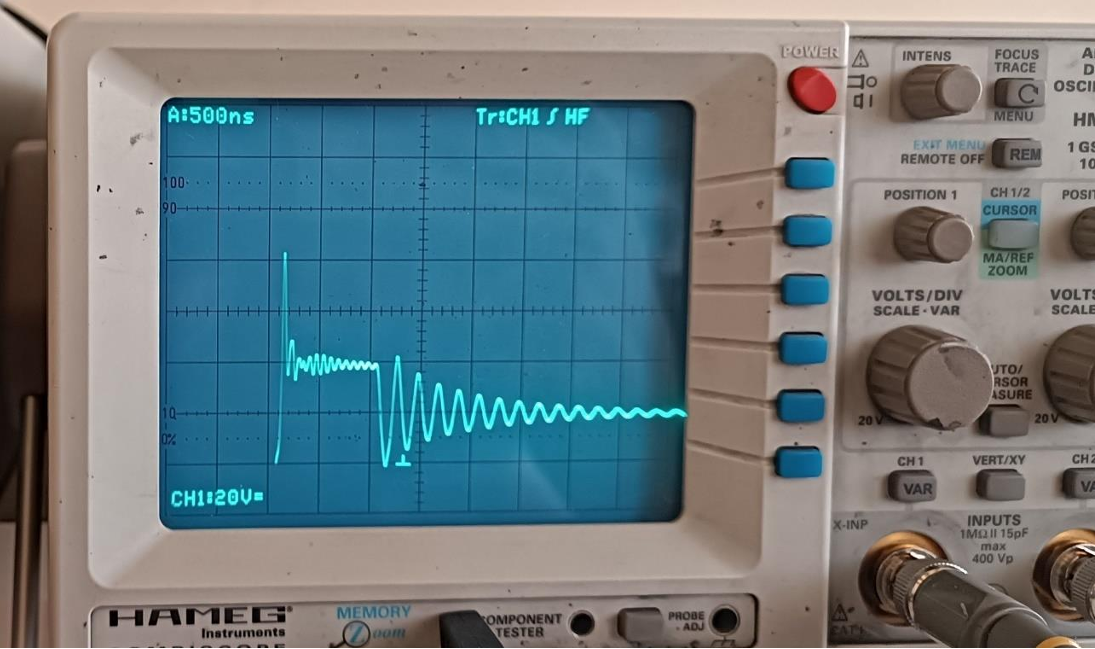
A battle between traditional "Book Smart" Control and "Street Smart" Neural Networks.
1. The "Perfect Model" Trap
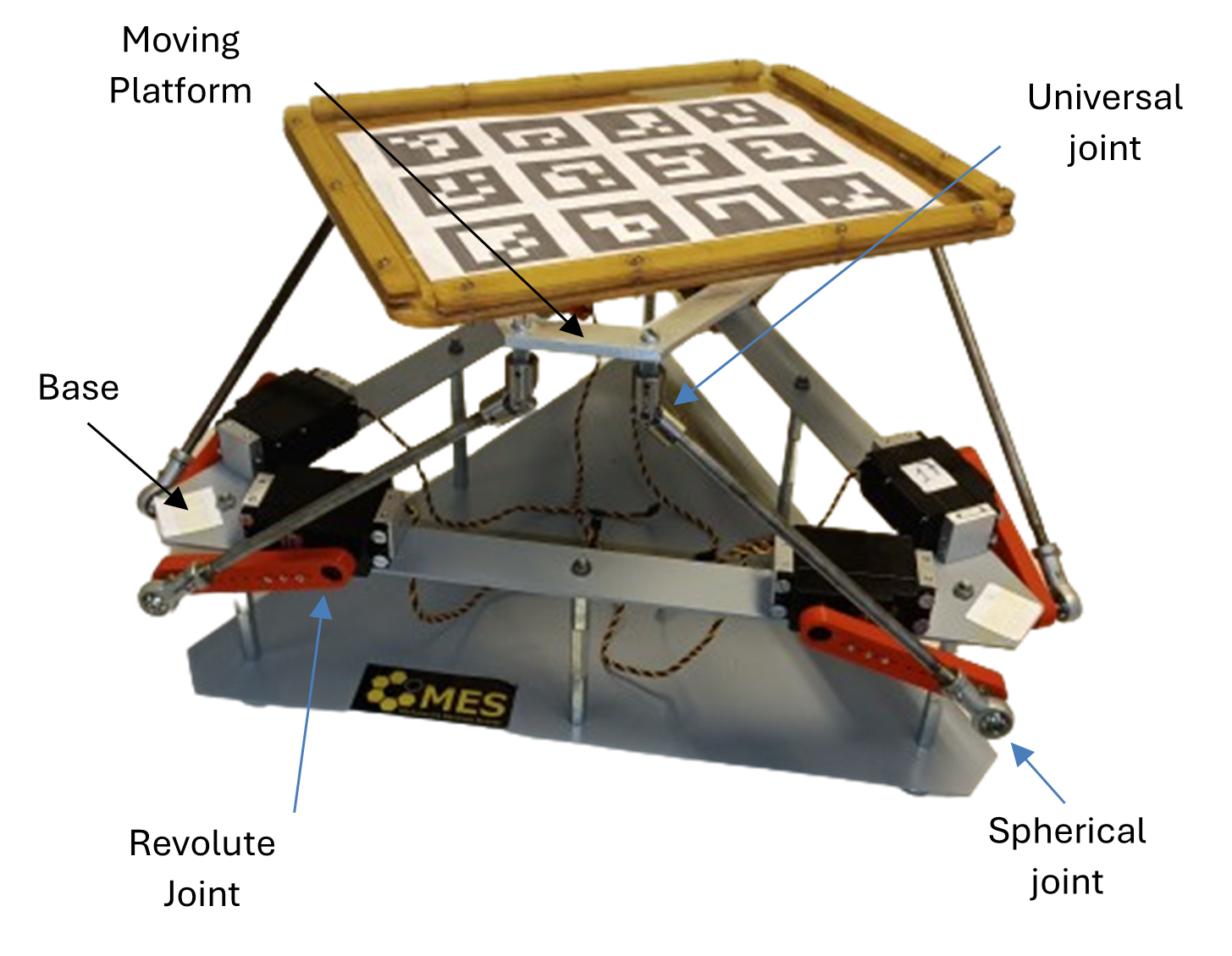
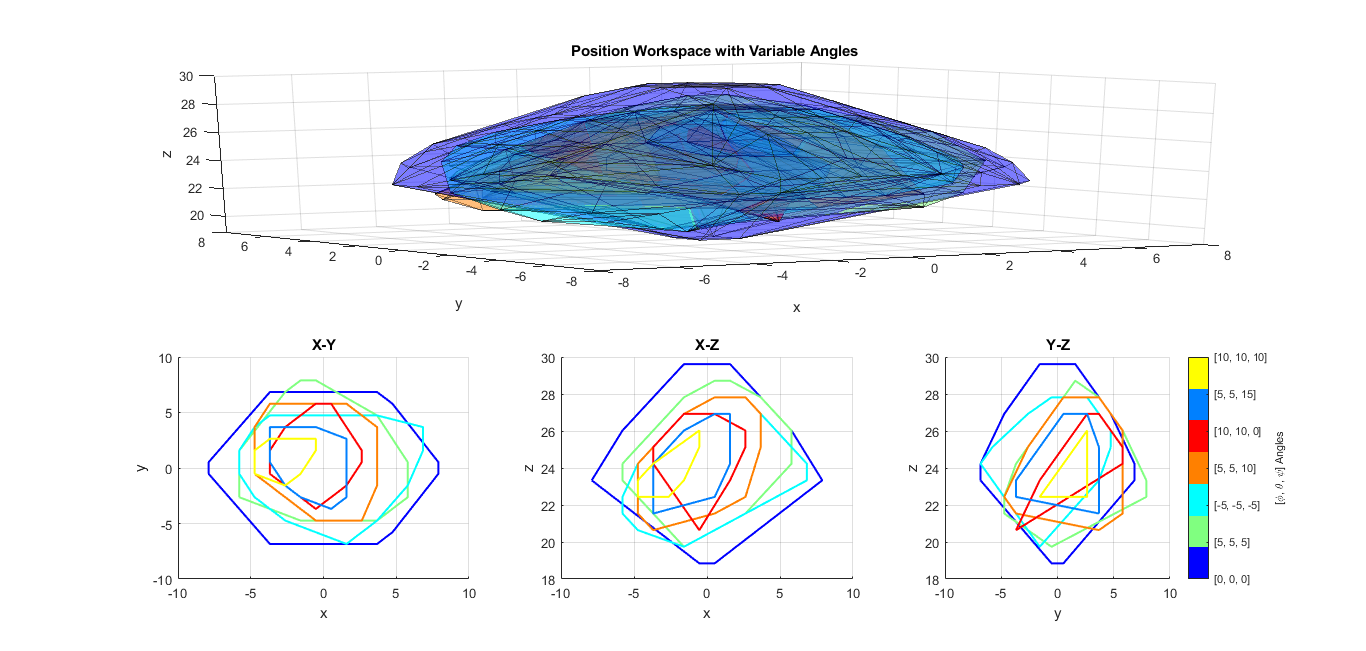
We are taught in school that if you know the Mass, Length, and Inertia, you can control anything. I took that to heart. I derived the Jacobian matrices and calculated the Singularities (the robot's "Bermuda Triangles" where it loses control).
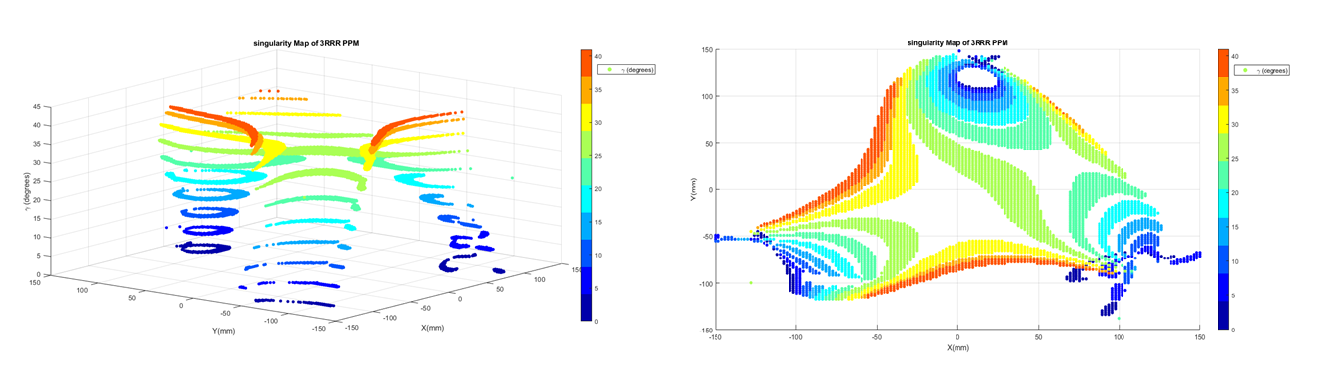
Fig 1: The "Danger Zones" (Singularities) where the robot locks up. I had to map these to avoid them.
But when I ran the classical controller, reality hit. The cables pulled slightly, the friction wasn't perfectly linear, and my "perfect" model started to drift. It turns out, the real world doesn't care about your differential equations.
2. Enter the Neural Network
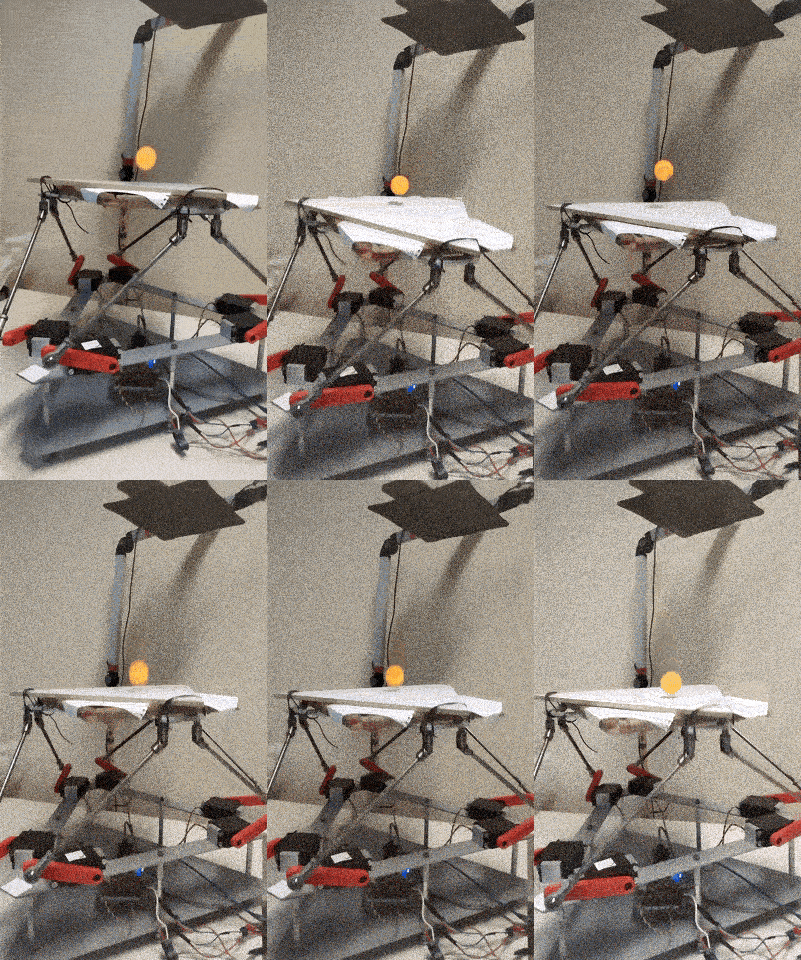
So I tried something different. I threw away the physics book. I programmed the robot to move randomly—literally stumbling around its workspace like a drunk toddler—to collect a dataset of "Cause and Effect" (Input/Output pairs).
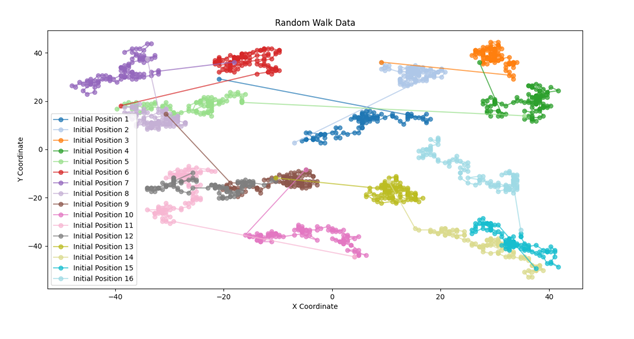
Fig 2: The "Drunk Toddler" phase. Collecting random walk data to train the brain.
I fed this chaotic mess into a Neural Network. The idea was simple: instead of telling the robot how to move with math, let it learn how to move from experience.
3. The Victory
The results were humbling. The Neural Network didn't care about friction coefficients or exact link masses. It just learned. As you can see in the spiral test below, the NN (Red/Green) tracked the path way better than the classical Open Loop controller (Blue), which drifted off into space.
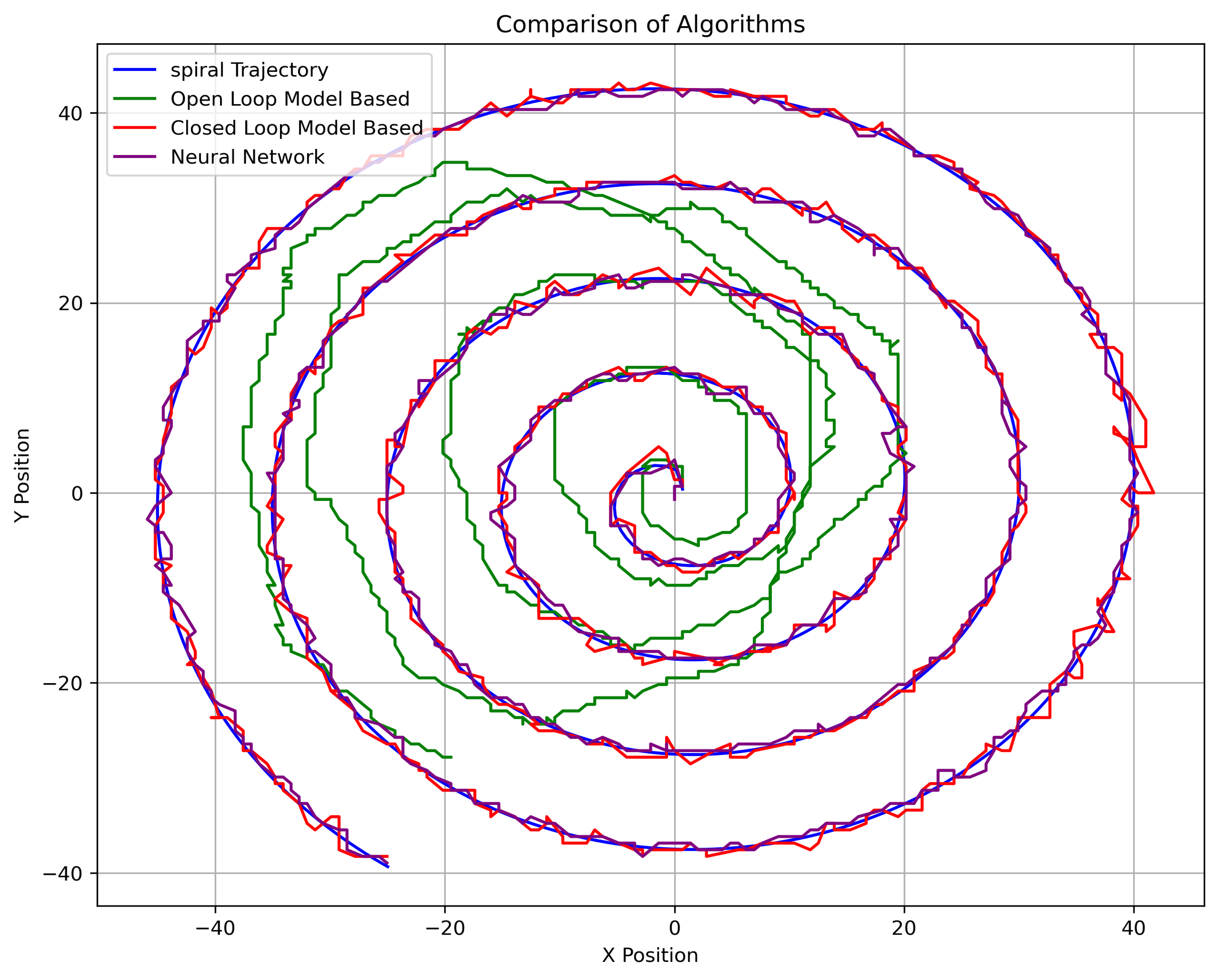
Lesson Learned: The NN promised to cut model uncertainty, and it delivered. It shifted my engineering challenge from "Modeling Complex Physics" to "Hyperparameter Tuning & Data Collection." Sometimes, it's better to be street smart (Data-Driven) than book smart (Model-Based).